

America is car culture. We full-throttled enthusiasts just can’t get enough of the nuts and bolts of mechanics. We thrive on high octane performance and a quest to get the most life out of our engines. If we aren’t out pushing the limits of aftermarket modifications or tinkering with the horsepower, we’re holed up in the garage with a wrench in hand, making needed adjustments. When it comes to escaping into a world of headers and spooling turbos, it’s a ride or die mentality for us car fans. Automotive technology and classic cars are more than just a leisurely pastime. It’s a high revving lifestyle. If we aren’t admiring our personal works of art in the driveway, we are zooming over to the latest car show or cruise-in to marvel at whatever else is on display. It’s the artist’s version of going to the museum! But cars are a time and labor intensive hobby. Small engine repair can quickly turn into complete rebuilds and summer long projects if you’re not careful. That’s probably what makes the world of cars so intoxicating. You just can’t get enough of the endless topics and discussions on how to get the most torque out of your hot rod. If you really want to a throw a wrench in your buddy’s weekend plans, just ask him an age old question: Should I get a diesel or gasoline engine?
Power is Great, But Efficiency is King of the Open Road

Many car owners rarely think about the pros and cons of gasoline and diesel engines. For most people it’s simple: which car will last longer and give me better gas mileage? Most people want a car that has minimal upkeep other than your standard 3,000 mile oil changes or major scheduled maintenance. But the issue can be a little bit more complicated than that. Commuter cars aside, many people rely on the pure grit and sheer brawn of farm trucks and work fans. If you’re racking up a lot of miles on the highway or towing heavy loads, you should probably go with a diesel engine. But if you’re pretty nifty with the shifter or want more bang for your octane from the start, you may want to invest in a gas powered car. Gasoline engines are also ideal for city driving and stop-and-go commuting.
Getting Down Into The Pros and Cons
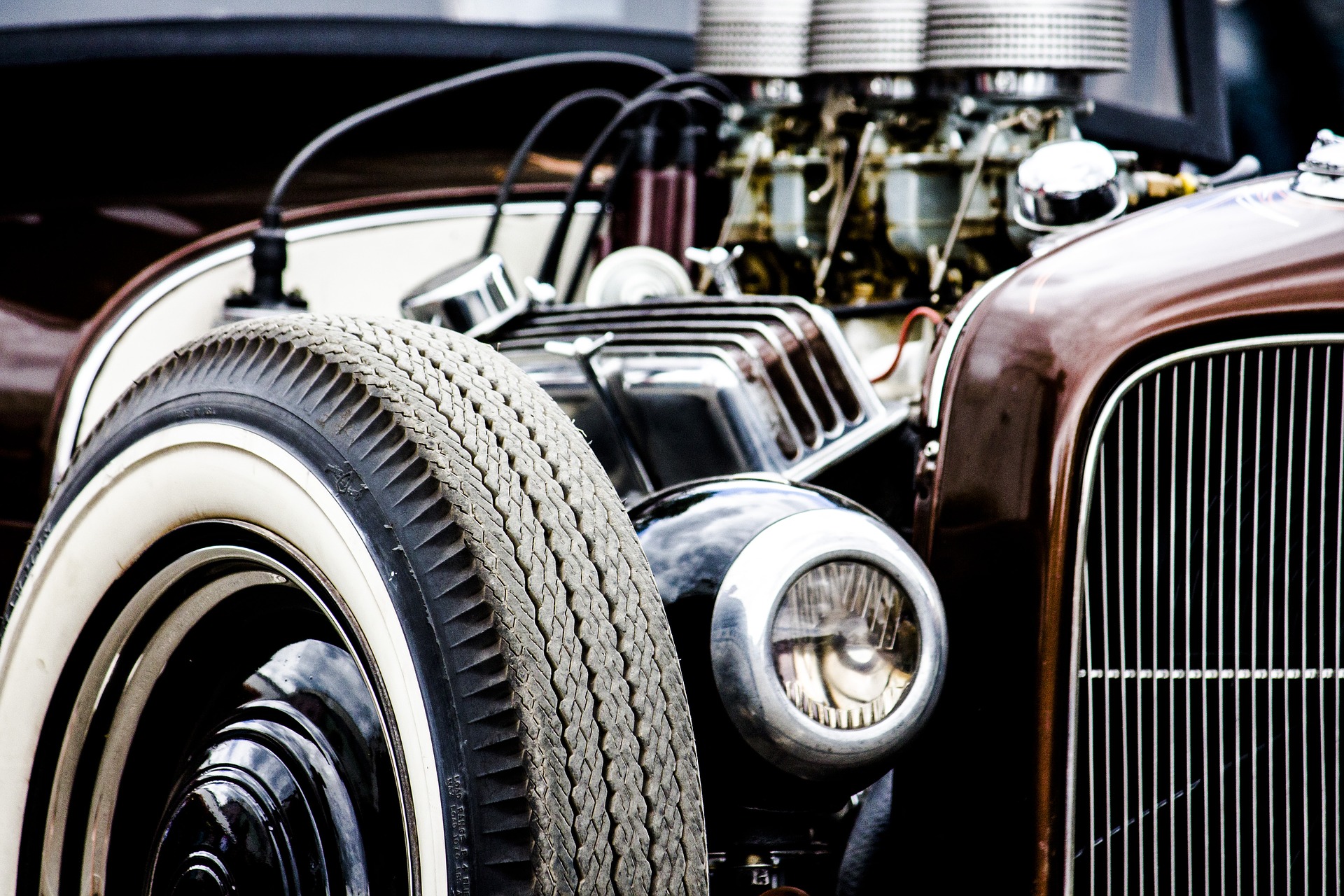
Overall, diesel engines tend to be more efficient, rugged and have considerably greater torque ratios than their gasoline counterparts. But they are more labor intensive when it comes to repairs. There’s also the issue of combustion processes. Gas cars use spark plugs to ignite air and fuel mixtures to generate compression to power the wheels. Over time, millions of these mini explosions can damage the engine. If you’re like the millions of other Americans nervously eyeing gas prices, you probably want the most fuel efficient option out on the road. Gas is always cheaper than diesel and tends to deliver more power. Gasoline is still easier on the environment than diesel, so if you’re looking for an eco-friendly option, gas is the way to go. Regardless of what you got cranking under the hood, you will want to protect your car, truck or motorcycle all season long. Elephant Structures has a wide variety of completely enclosed metal garages to eliminate unnecessary exposure from the elements. Did you know that on average, a car left in the sun loses about a liter of gasoline per week? Metal garages are also a great way to keep your diesel or gasoline powered vehicle in tip-top shape year around, so you never have to worry about limping to the finish line.