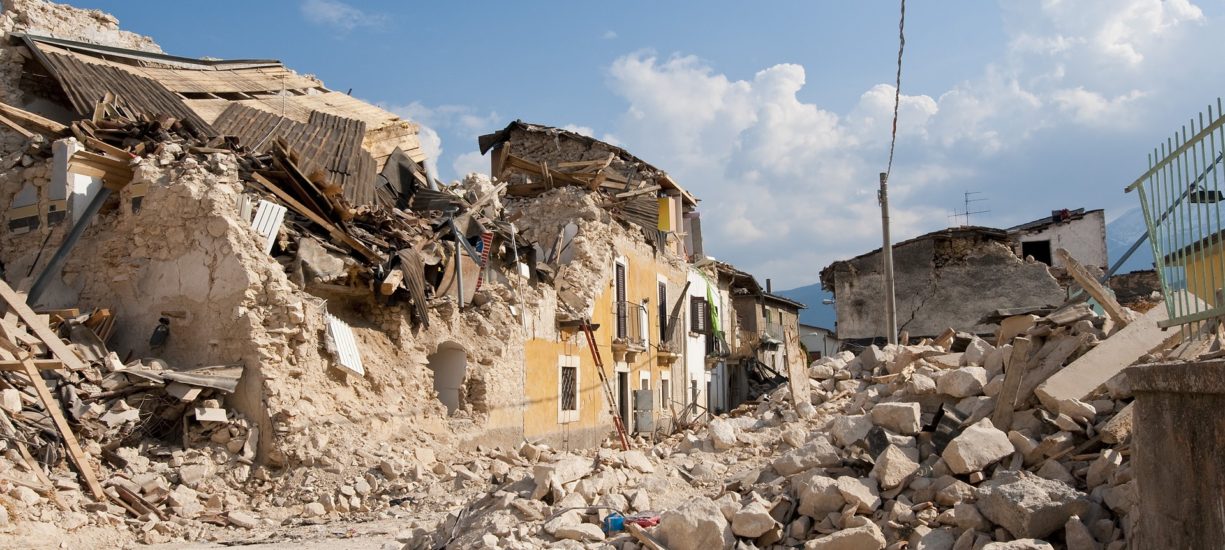
Earthquakes remain an unpredictable force of nature. Unlike tornadoes and hurricanes, victims receive virtually no warning of the impending catastrophe. By the time the earth begins to shake, unsuspecting residents can do little more than to find a sturdy doorway to ride out the earth’s liquifying force. Conventional wisdom suggests that a safe room or belowground bunker is the go-to refuge for natural disasters, but earthquakes remain the rare exception or deviation. Cross-sectional forces and the thrusting ground below will invariably bury people alive. As foundations begin to falter and the structural integrity of buildings wane, earthquakes can transform friendly confines into concrete sarcophaguses for unlucky office dwellers who didn’t escape in time. Survivability during an earthquake depends on several key factors. Building composition and materials can mean the difference buildings wavering and breaking. Although we would never advocate for relying on a steel building to project your loved ones, they can serve as a sturdy shelter for your most valuable belongings.

Steel construction is inherently lighter than concrete pillars, floors and columns. Steel buildings and garages also constitute less mass, so the force of the quake alone automatically has lest fuel to work with while rendering damage. Then there is the continuity of steel itself. Ever took a sledgehammer to piece of concrete? With minimal force, a mallet wielding mason can reduce a solid slab of concrete into dozens of smaller pieces. Now imagine if that display of force was replicated with larger mass. During an earthquake, larger concrete substructures and support beams can create a hailstorm of debris and damage that traps vulnerable residents or subdues them with blunt force trauma. Flying concrete will also undoubtedly destroy possessions, including heavier equipment, such as cars, boats, tools and anything else in harm’s way. Wood has similar misgivings, but is also more prone to spending and breaking, causing other issues with falling debris.
Steel Buildings and Garages Can Protect Valuable Possessions Where Wood Can’t
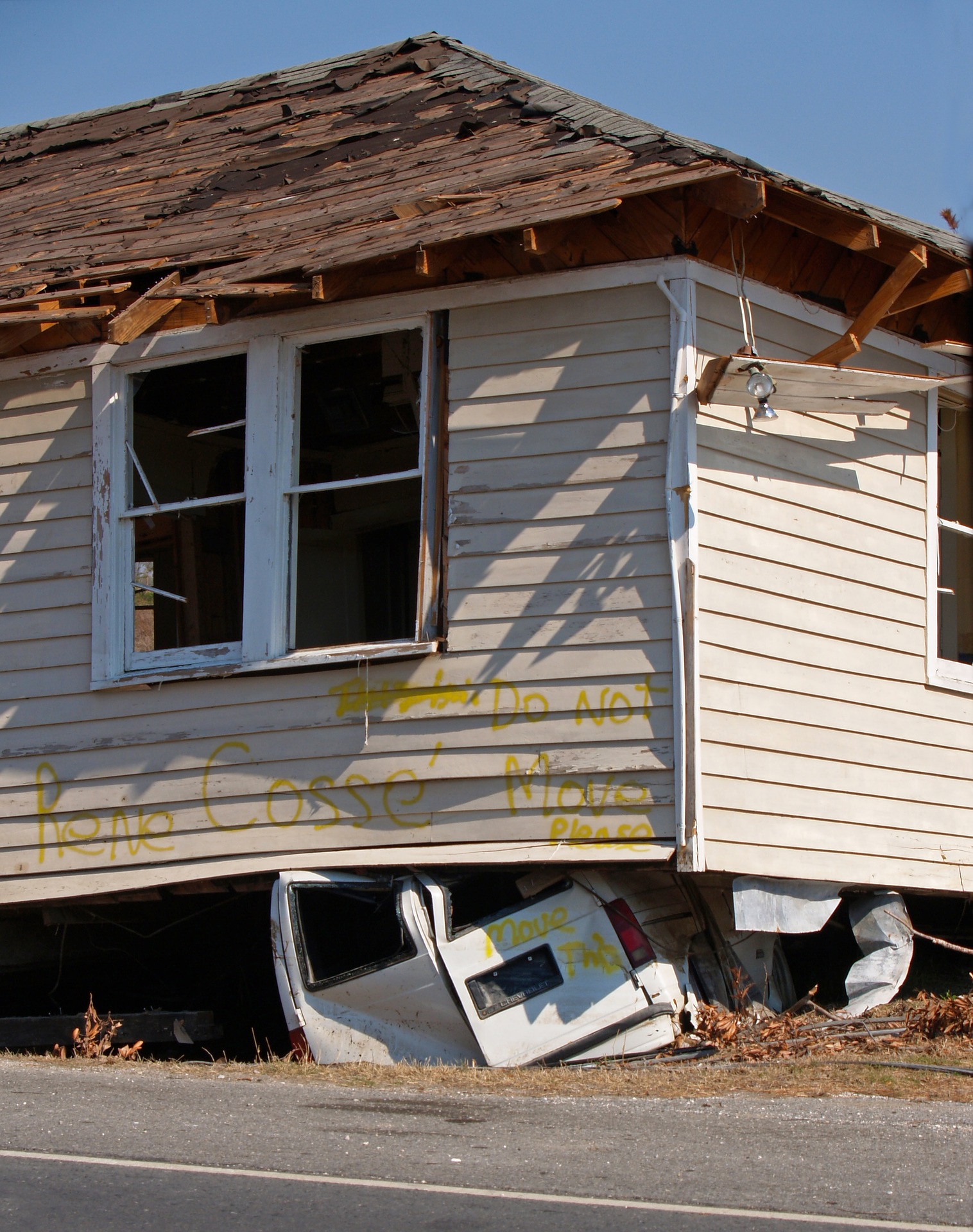
Sheering forces of Mother Nature fail to rip steel into a million pieces. While steel and metal allows can be susceptible minor dings and dents, the overall continuity and consistency of metal sheeting remains intact. With lower mass and weight to work with, horizontal seismic forces don’t have enough to work with to produce truly catastrophic zones of destruction. The ductility of nature also allows the metal building to bend without breaking. Such an increase of malleability allows to the steel to absorb seismic shocks without passing on the reverberating damage to nearby inhabitants or expensive possessions. Although the steel will certainly experience some damage or deformities, the chances of complete collapse, such as the case of concrete or wood, become minimized.
With our daily physics lesson coming to a close, what is your take on the likelihood of steel buildings protecting your valuable possessions and even farm animals? We hope our detailed and delicate explanation of how the tensile strength of steel serves to your advantage allows you to make an informed decision about different storage options concerning earthquakes. Elephant Structures custom engineer and manufacture steel buildings and garages that, at the very least, give your equipment and prized possessions a fighting chance to remain unscathed from the forces of an earthquake. Even if a collapse occurs, the relatively thin nature of the overarching panels ensures that fallen debris will have minimal impact on the stored possessions. The inherent remote access that a standalone carport or garage also serves to your advantage during an earthquake. Since metal buildings and garages are typically built separate from the main residence or place of business, these structures will most likely not be impacted from the fallen debris of adjacent structures.